Migratory fish
Eels, shad, lampreys, salmon: they are born in one water and grow in another. Their cycle crosses sea and river, and it only holds if the route stays open.
12 species documented
Two broad strategies divide this group. Some are born in fresh water, grow at sea and run back up to breed; others do the reverse, like the eel, which is born far out in the Atlantic, spends its adult life in our rivers and returns to spawn where it hatched. In both cases the crossing between the two worlds is the critical point.
That crossing carries a considerable physiological cost. The body must adapt to a complete change of salinity, often within days, in the estuaries. That is where these species concentrate, and it is also where they are most vulnerable — to fishing as much as to pollution.
Their presence in a catchment says something about its condition. A river that sees its migratory fish return is a river whose barriers have been passed and whose water quality holds. Many of these species are among the most closely monitored in Europe.
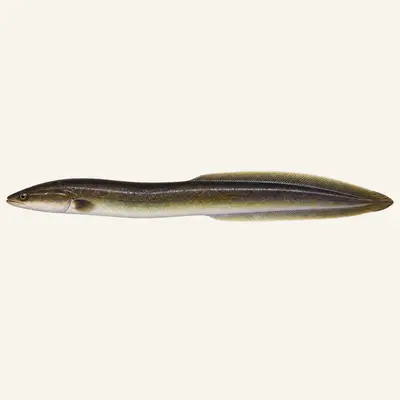
American eel
Anguilla rostrata
Migratory· 152 cm
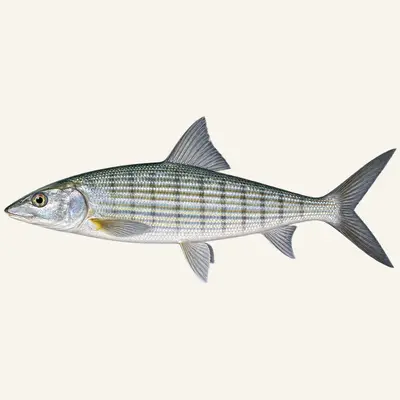
Bonefish
Albula vulpes
Migratory· 104 cm
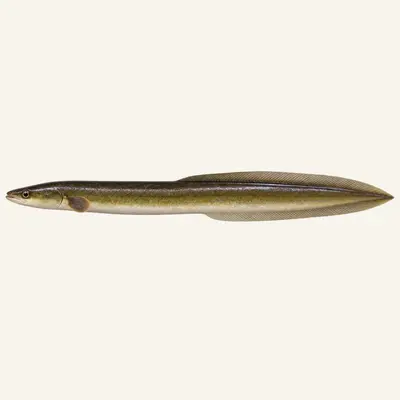
European eel
Anguilla anguilla
Migratory· 130 cm
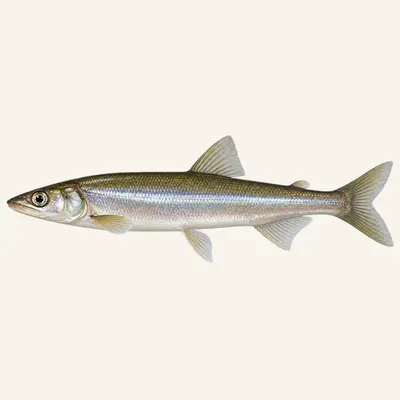
European Smelt
Osmerus eperlanus
Migratory· 30 cm
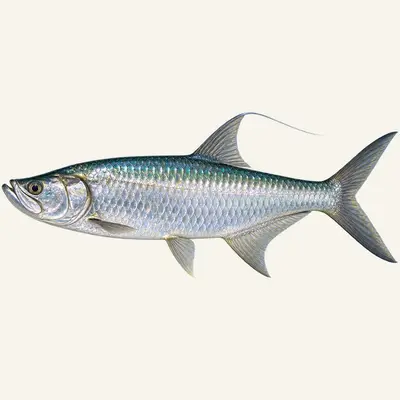
Indo-Pacific tarpon
Megalops cyprinoides
Migratory· 150 cm
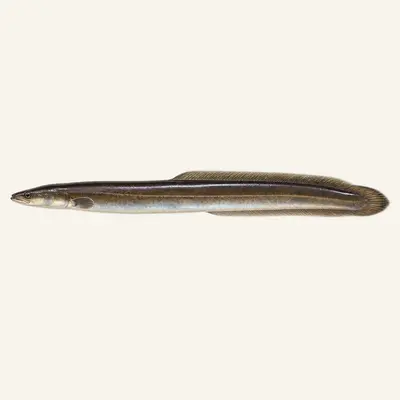
Japanese eel
Anguilla japonica
Migratory· 150 cm
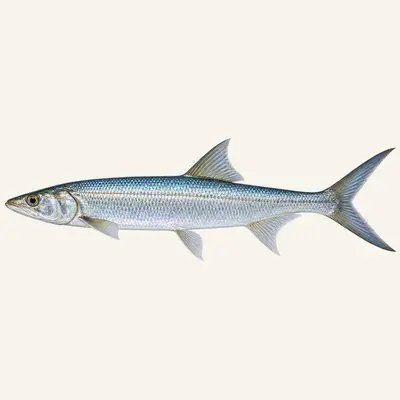
Ladyfish
Elops saurus
Migratory· 100 cm
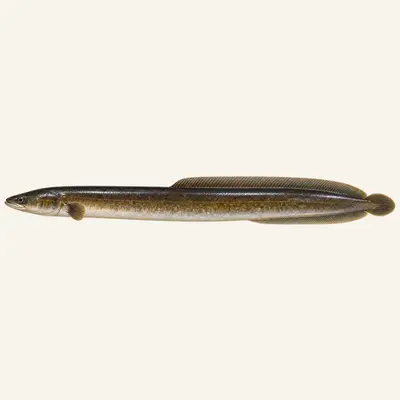
New Zealand longfin eel
Anguilla dieffenbachii
Migratory· 185 cm
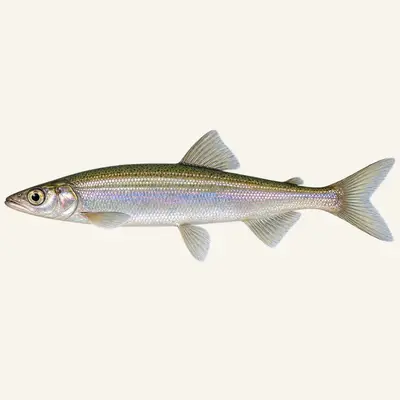
Rainbow smelt
Osmerus mordax
Migratory· 30 cm
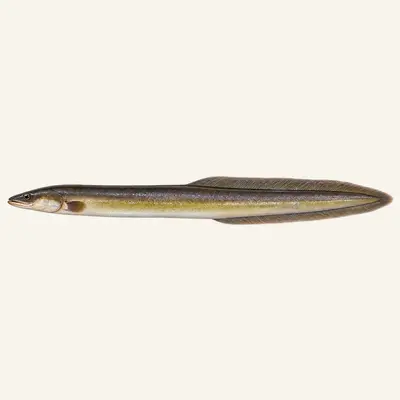
Short-finned eel
Anguilla australis
Migratory· 130 cm
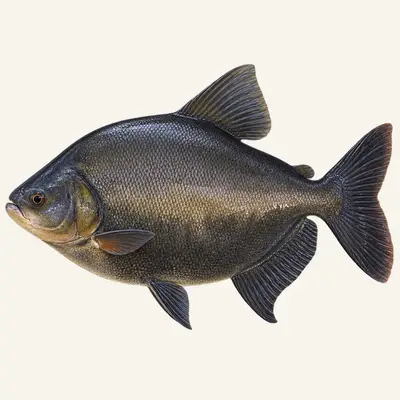
Tambaqui (black pacu)
Colossoma macropomum
Migratory· 110 cm
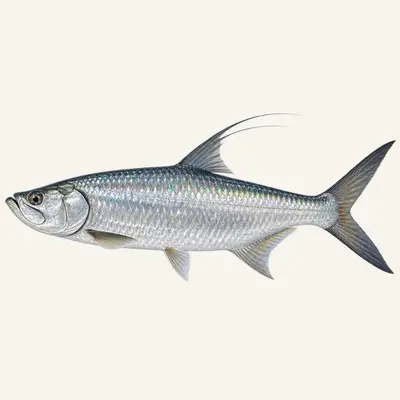
Tarpon
Megalops atlanticus
Migratory· 250 cm