Flatfish
Sole, turbot, plaice, brill: at hatching they swim upright like any other fish. Then one eye migrates, the body tips over, and they spend their lives lying on the bottom.
15 species documented
That metamorphosis is unique in the catalog. The young fish loses its symmetry, one eye travels across the skull to join the other, and the adult lives on one flank with its blind side against the sand. Everything else follows: their camouflage, their ambush hunting, and their preference for soft ground.
So you look for them where sand and mud dominate, often near the places where current drops food. Buried a few centimetres down, they give nothing away: the rig has to come to them, dragged slowly along the bottom rather than suspended above it.
The bite is subtle, sometimes barely there — a slight extra weight at the rod tip. Many are lost by striking too early, on a fish that had not yet taken the whole mouthful.
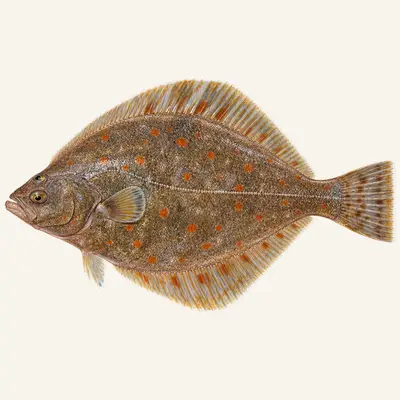
American plaice
Hippoglossoides platessoides
Flatfish· 83 cm
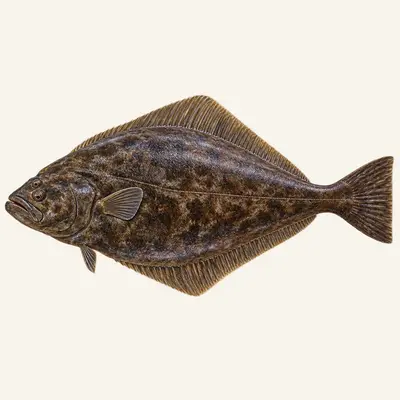
Atlantic halibut
Hippoglossus hippoglossus
Flatfish· 470 cm
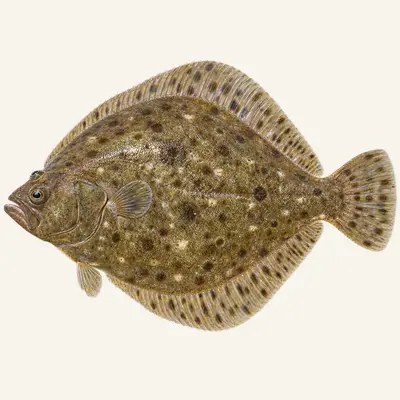
Brill
Scophthalmus rhombus
Flatfish· 75 cm
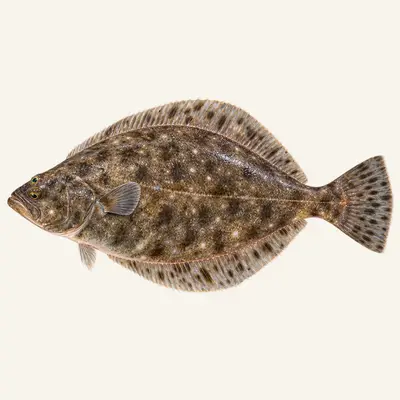
California Halibut
Paralichthys californicus
Flatfish· 152 cm
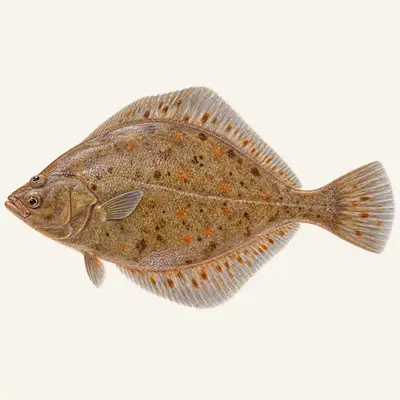
Common dab
Limanda limanda
Flatfish· 40 cm
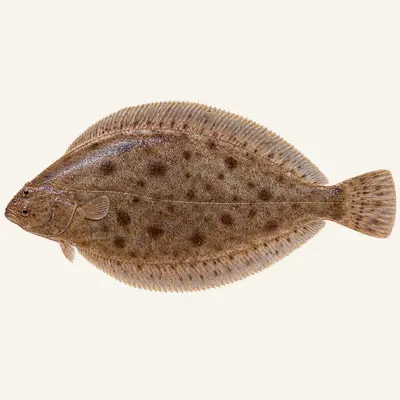
Common sole
Solea solea
Flatfish· 70 cm
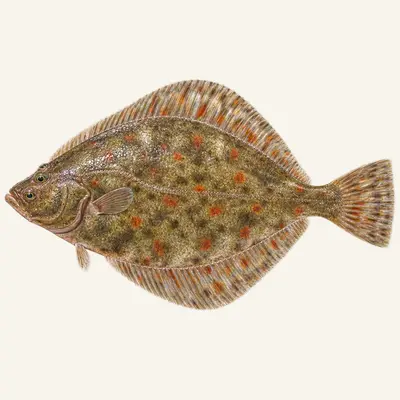
European flounder
Platichthys flesus
Flatfish· 60 cm
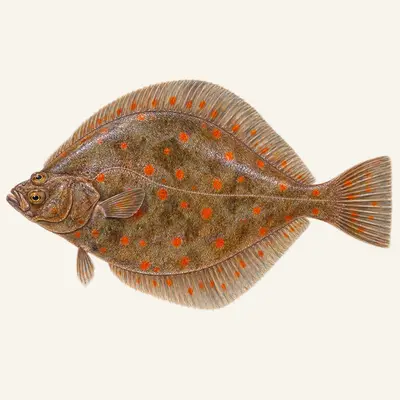
European plaice
Pleuronectes platessa
Flatfish· 100 cm
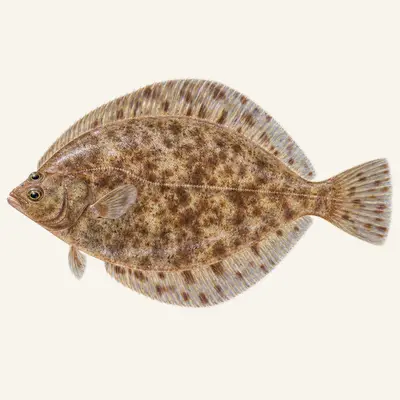
Lemon sole
Microstomus kitt
Flatfish· 65 cm
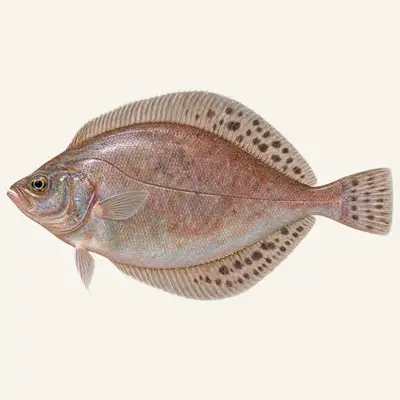
Megrim
Lepidorhombus whiffiagonis
Flatfish· 60 cm
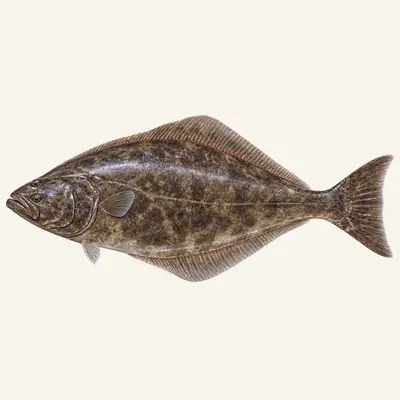
Pacific halibut
Hippoglossus stenolepis
Flatfish· 258 cm
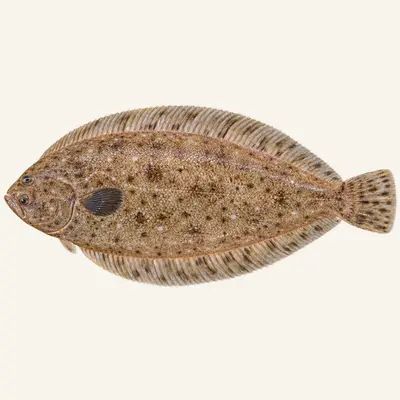
Senegalese sole
Solea senegalensis
Flatfish· 60 cm
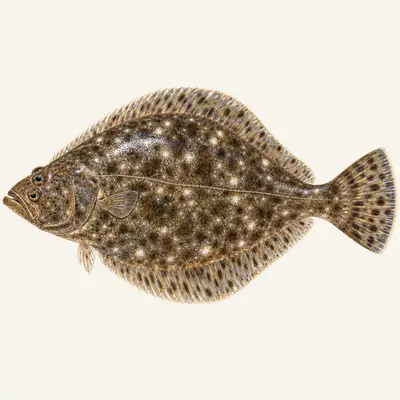
Southern flounder
Paralichthys lethostigma
Flatfish· 83 cm
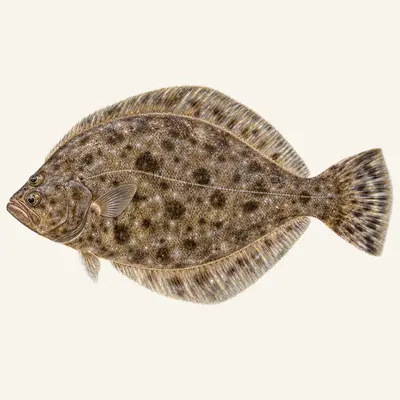
Summer flounder
Paralichthys dentatus
Flatfish· 94 cm
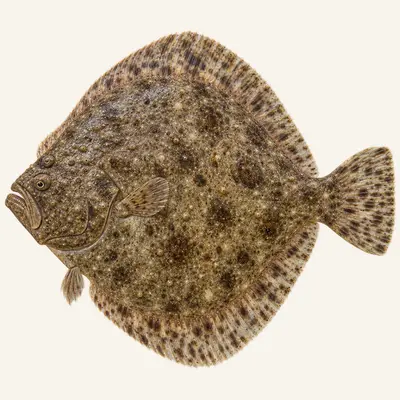
Turbot
Scophthalmus maximus
Flatfish· 100 cm