Freshwater predators
Pike, zander, perch, black bass: predators hunt other fish, and that changes everything. You do not wait for them, you go and find them.
87 species documented
A predator does not feed continuously. It alternates short, intense hunting bursts with long hours of inactivity, tucked against cover. The whole game is to arrive during the right phase or to provoke the wrong one: a lure passing at the right spot and the right speed sometimes triggers a strike of pure aggression from a fish that was not hungry at all.
That hunting habit dictates the tackle. Teeth demand something at the business end — a wire or heavy fluorocarbon trace in front of a pike is not a precaution, it is the condition for seeing your lure again — along with a rod crisp enough to work a lure, set a hook and turn a fish that heads for the nearest snag.
Light governs their activity better than the clock. Dawn, dusk and overcast days concentrate the bites, because the predator can still see while its prey sees less well. A blue midday sky puts them on the bottom or under cover: at those hours, slow down and fish accurately rather than covering ground.
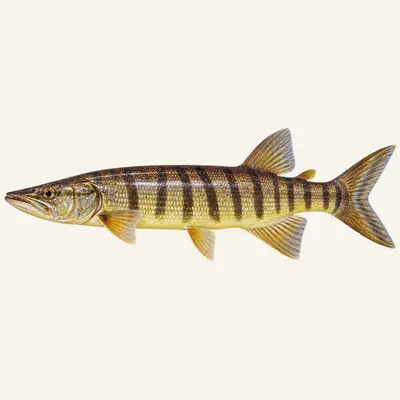
African pike
Hepsetus odoe
Predators· 44.2 cm
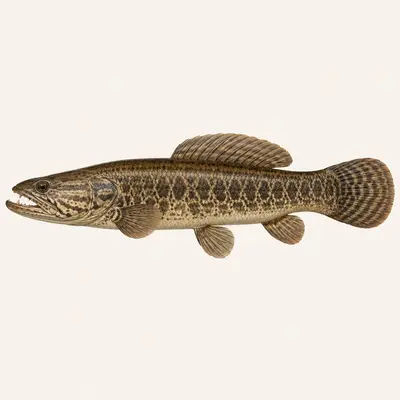
Aimara wolf fish
Hoplias aimara
Predators· 100 cm
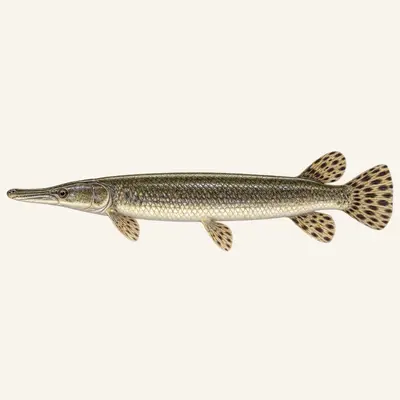
Alligator gar
Atractosteus spatula
Predators· 260 cm
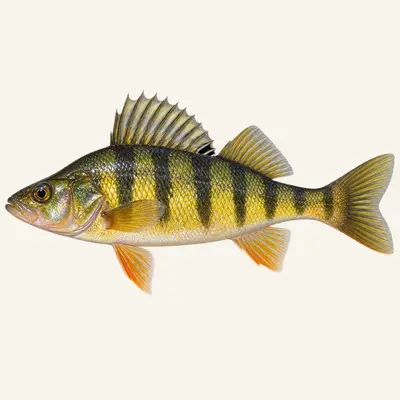
American yellow perch
Perca flavescens
Predators· 50 cm
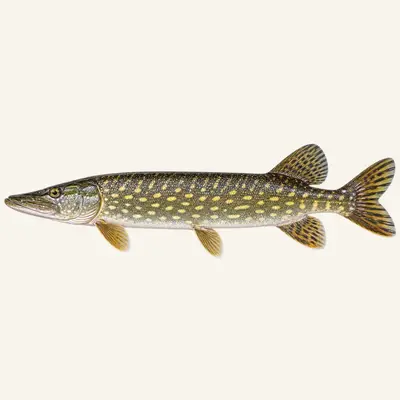
Amur pike
Esox reichertii
Predators· 115 cm
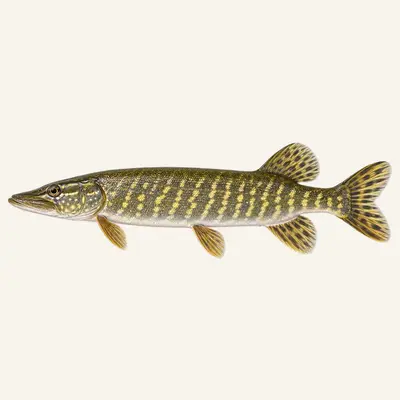
Aquitanian pike
Esox aquitanicus
Predators· 100 cm
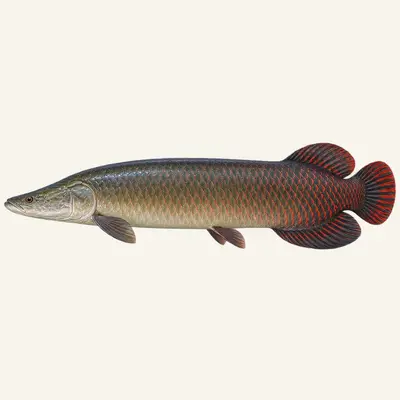
Arapaima
Arapaima gigas
Predators· 450 cm
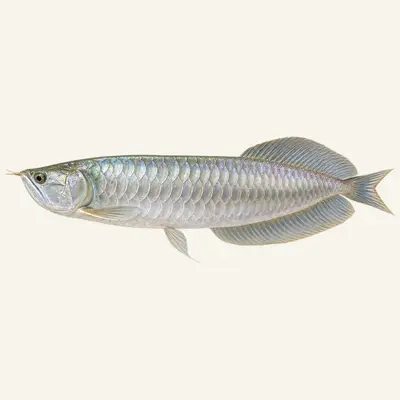
Arawana
Osteoglossum bicirrhosum
Predators· 90 cm
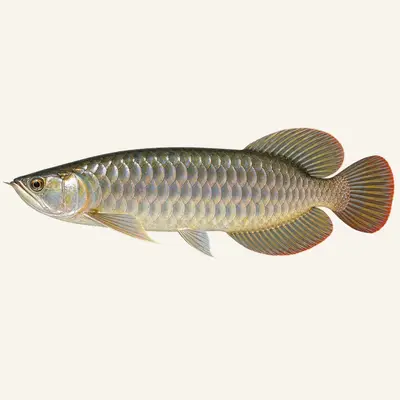
Australian bonytongue
Scleropages jardinii
Predators· 100 cm
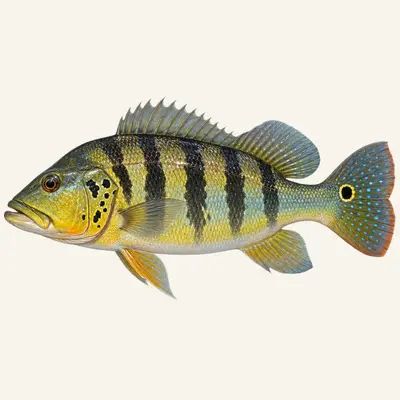
Azul peacock bass
Cichla piquiti
Predators· 48 cm
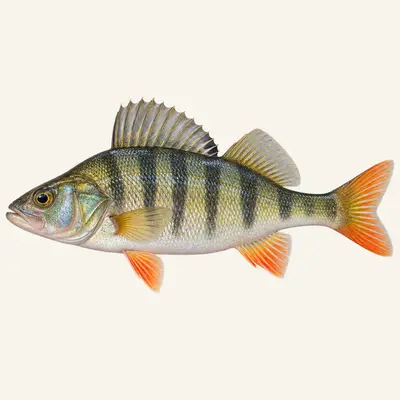
Balkhash perch
Perca schrenkii
Predators· 50 cm
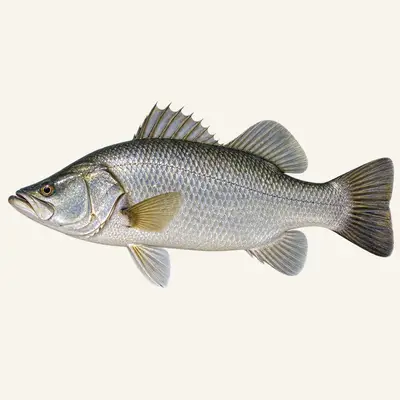
Barramundi
Lates calcarifer
Predators· 200 cm
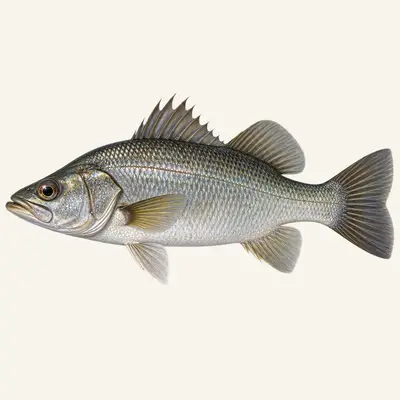
Bigeye lates
Lates mariae
Predators· 80 cm
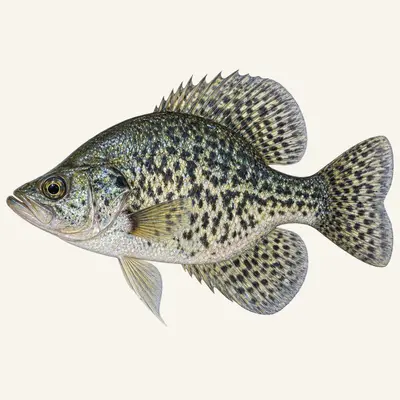
Black crappie
Pomoxis nigromaculatus
Predators· 49 cm
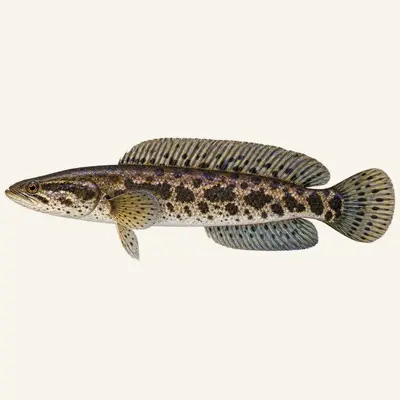
Blotched snakehead
Channa maculata
Predators· 20 cm
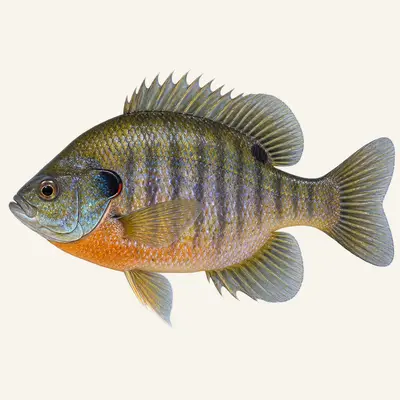
Bluegill
Lepomis macrochirus
Predators· 41 cm
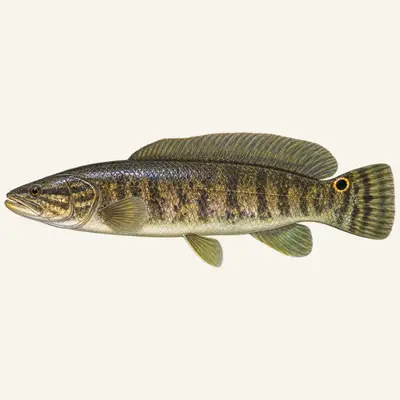
Bowfin
Amia calva
Predators· 109 cm
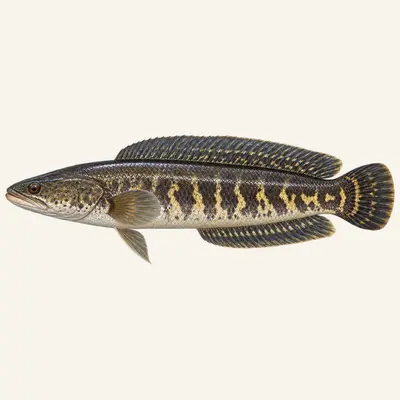
Bullseye snakehead
Channa marulius
Predators· 183 cm
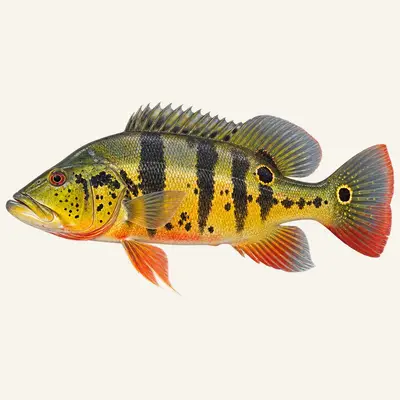
Butterfly peacock bass
Cichla ocellaris
Predators· 74 cm
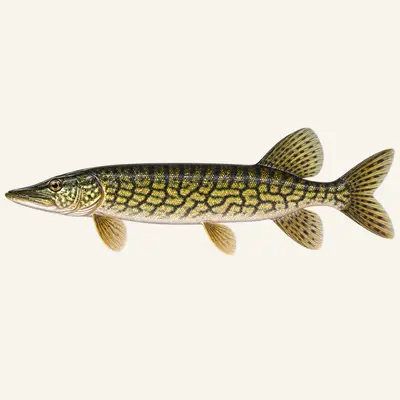
Chain pickerel
Esox niger
Predators· 99 cm
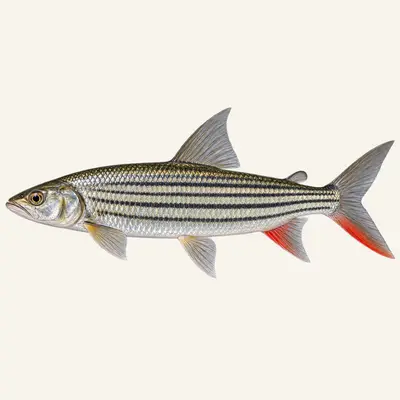
Elongate tigerfish
Hydrocynus forskahlii
Predators· 78 cm
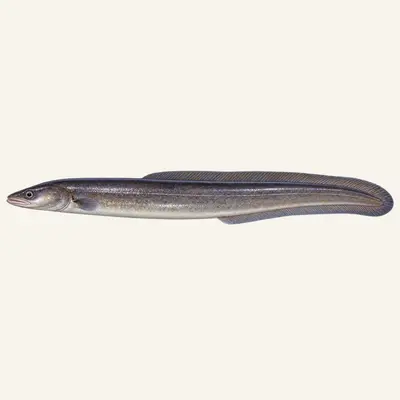
European conger
Conger conger
Predators· 300 cm
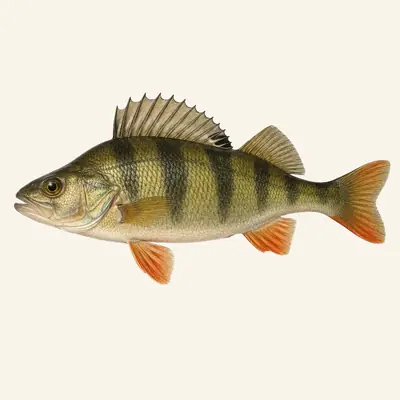
European perch
Perca fluviatilis
Predators· 50 cm
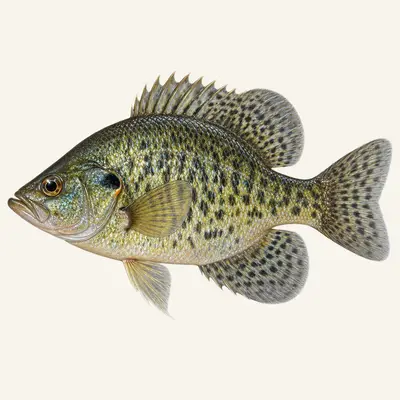
Flier
Centrarchus macropterus
Predators· 29 cm
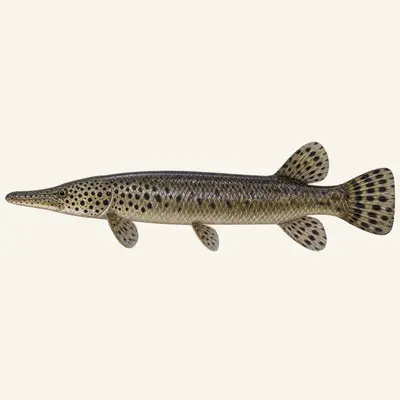
Florida gar
Lepisosteus platyrhincus
Predators· 132 cm
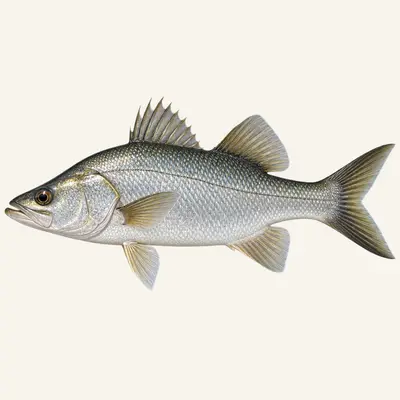
Forktail lates
Lates microlepis
Predators· 93 cm
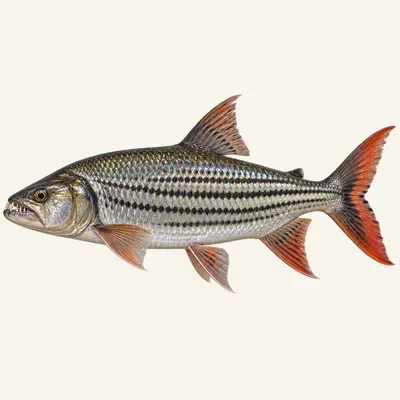
Giant tigerfish
Hydrocynus goliath
Predators· 133 cm
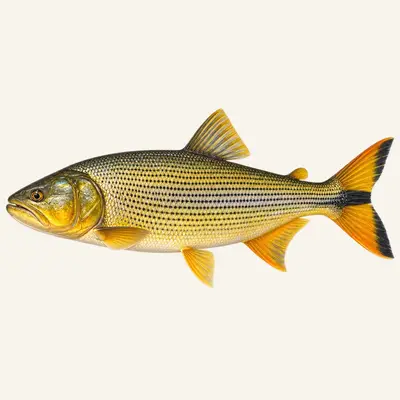
Golden Dorado
Salminus brasiliensis
Predators· 100 cm
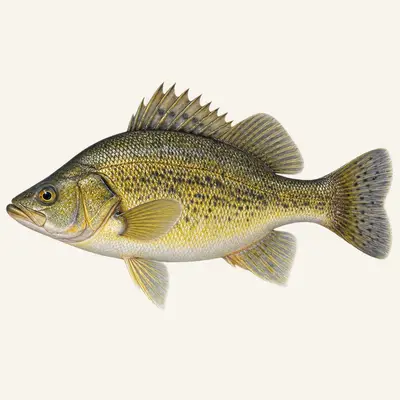
Golden perch
Macquaria ambigua
Predators· 76 cm
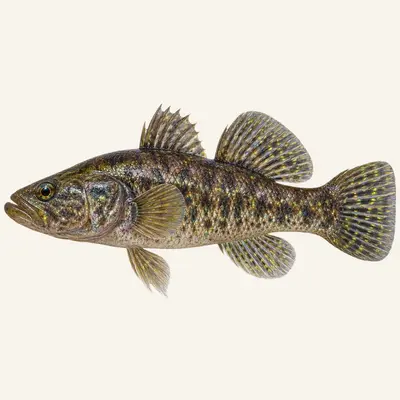
Goujon de l'Amour
Perccottus glenii
Predators· 25 cm
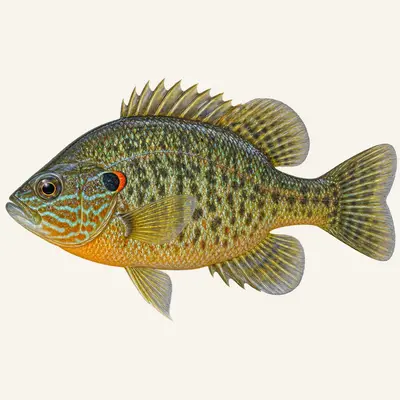
Green sunfish
Lepomis cyanellus
Predators· 31 cm
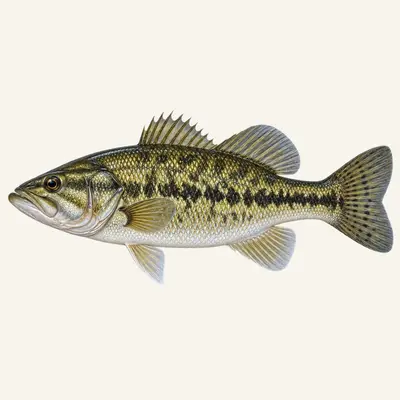
Guadalupe bass
Micropterus treculii
Predators· 46.4 cm
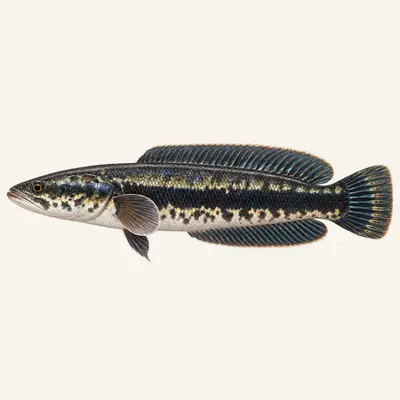
Indonesian snakehead
Channa micropeltes
Predators· 130 cm
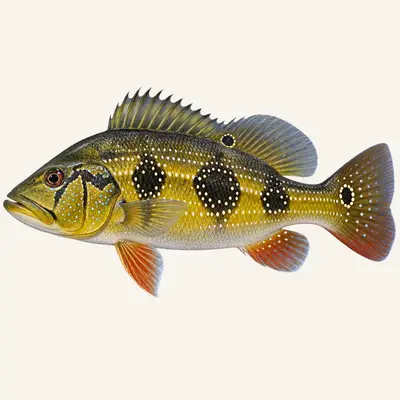
Jari peacock bass
Cichla jariina
Predators· 34 cm
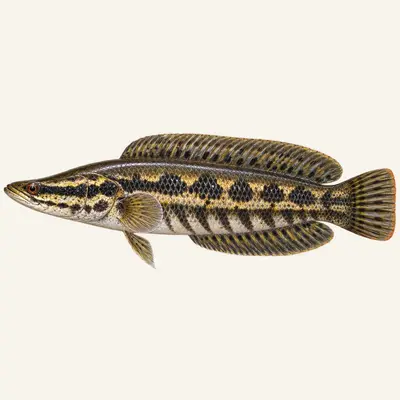
Javanese snakehead
Channa lucius
Predators· 53 cm
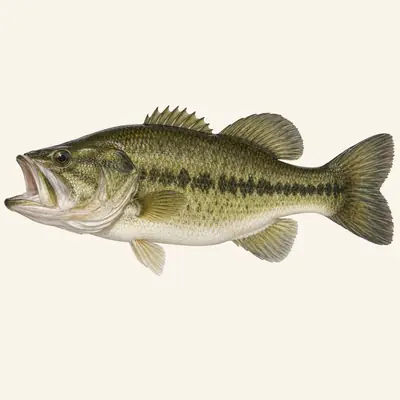
Largemouth bass
Micropterus salmoides
Predators· 97 cm
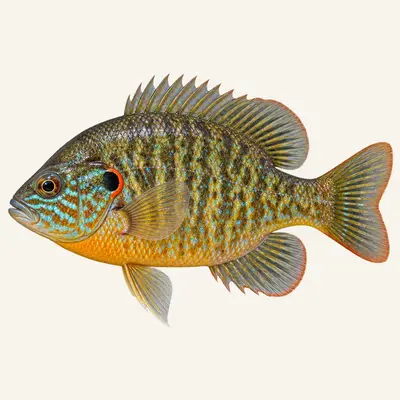
Longear sunfish
Lepomis megalotis
Predators· 24 cm
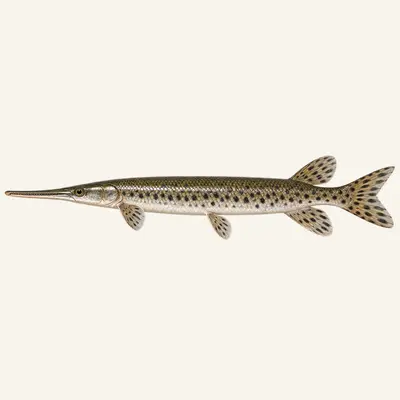
Longnose gar
Lepisosteus osseus
Predators· 200 cm
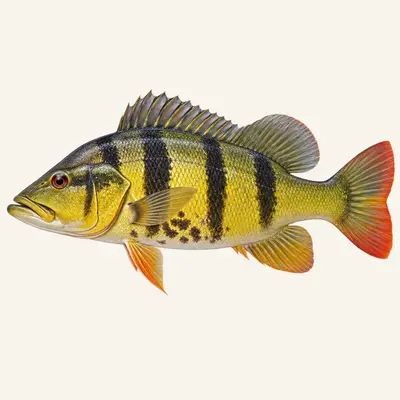
Monoculus peacock bass
Cichla monoculus
Predators· 70 cm
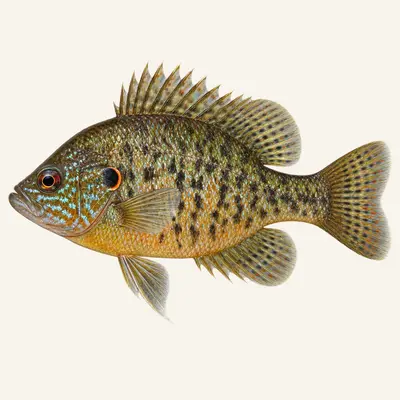
Mud sunfish
Acantharchus pomotis
Predators· 21 cm
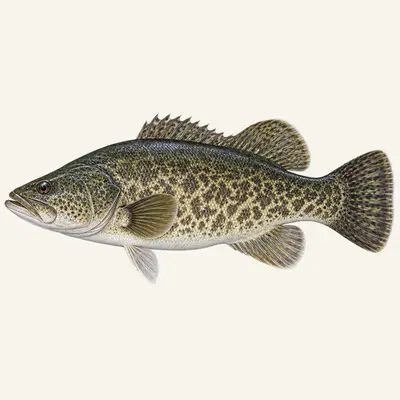
Murray cod
Maccullochella peelii
Predators· 180 cm
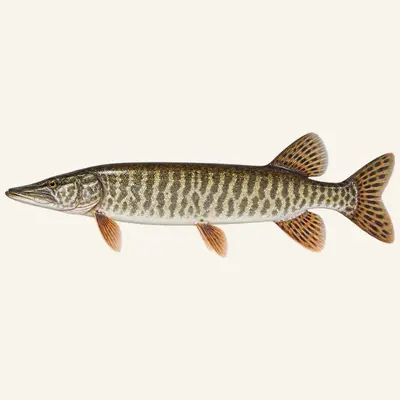
Muskellunge
Esox masquinongy
Predators· 183 cm
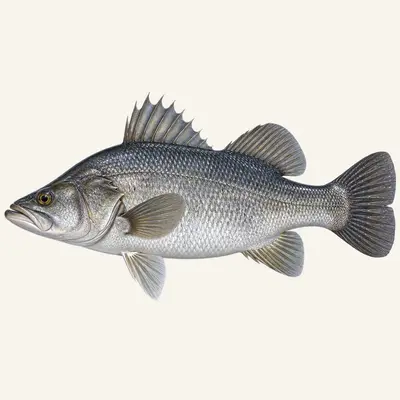
Nile perch
Lates niloticus
Predators· 200 cm
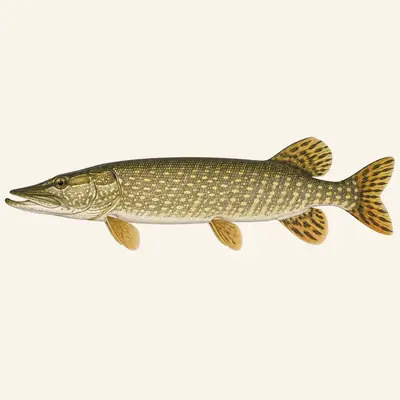
Northern pike
Esox lucius
Predators· 137 cm
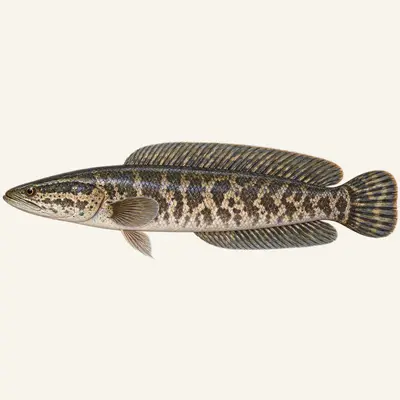
Northern snakehead
Channa argus
Predators· 100 cm
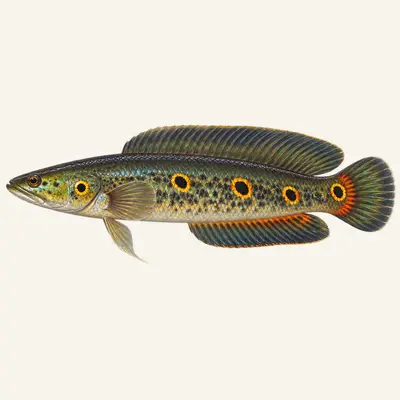
Ocellated snakehead
Channa pleurophthalma
Predators· 40 cm
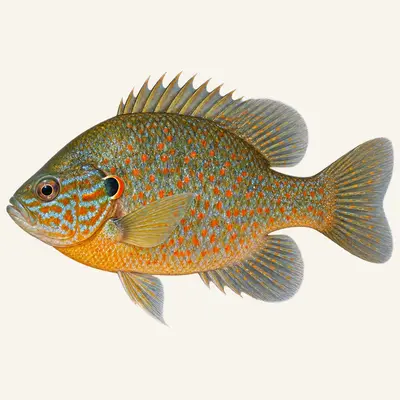
Orangespotted sunfish
Lepomis humilis
Predators· 18 cm
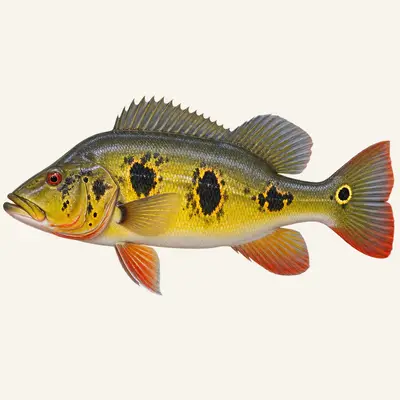
Orinoco peacock bass
Cichla orinocensis
Predators· 61.7 cm
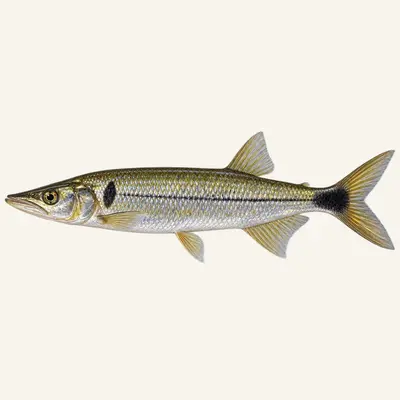
Pike characin
Acestrorhynchus falcatus
Predators· 30 cm
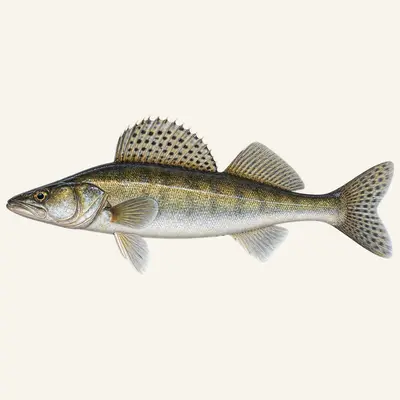
Pike-perch
Sander lucioperca
Predators· 100 cm
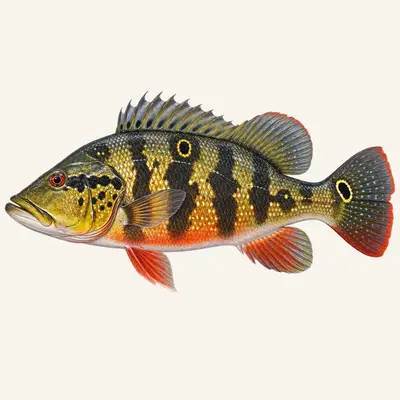
Pinima peacock bass
Cichla pinima
Predators· 52 cm
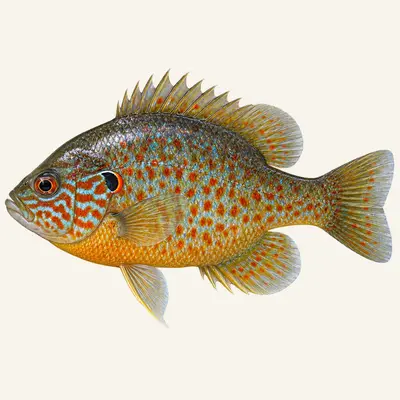
Pumpkinseed
Lepomis gibbosus
Predators· 25 cm
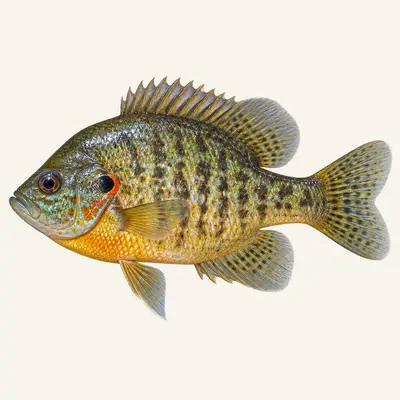
Redear sunfish
Lepomis microlophus
Predators· 43 cm
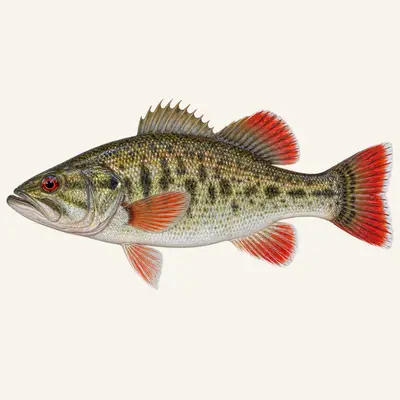
Redeye bass
Micropterus coosae
Predators· 47 cm
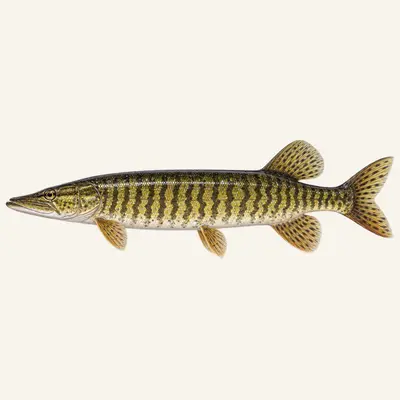
Redfin pickerel
Esox americanus
Predators
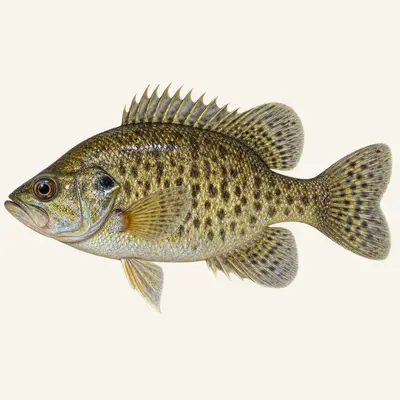
Rock bass
Ambloplites rupestris
Predators· 43 cm
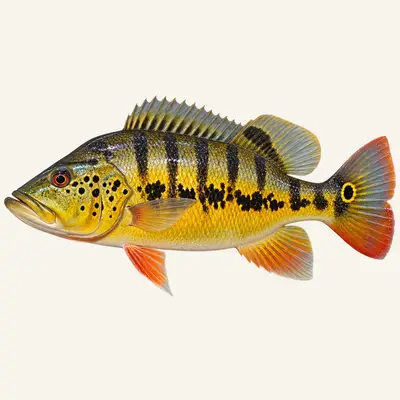
Royal peacock bass
Cichla intermedia
Predators· 55 cm
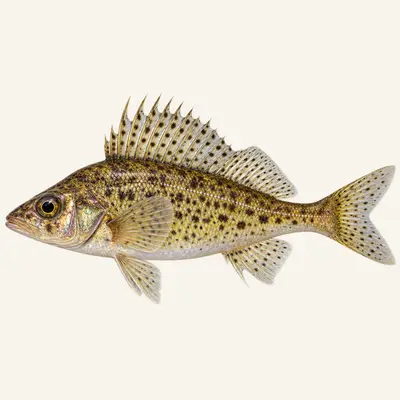
Ruffe
Gymnocephalus cernua
Predators· 29 cm
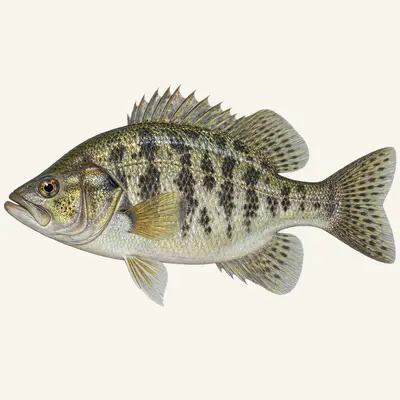
Sacramento perch
Archoplites interruptus
Predators· 73 cm
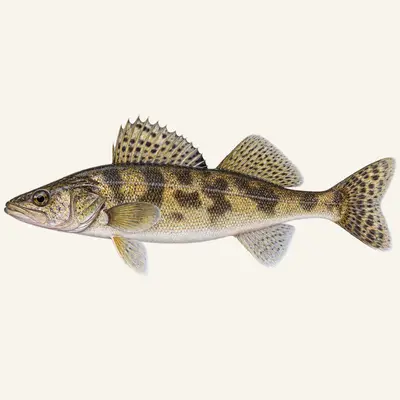
Sauger
Sander canadensis
Predators· 76 cm
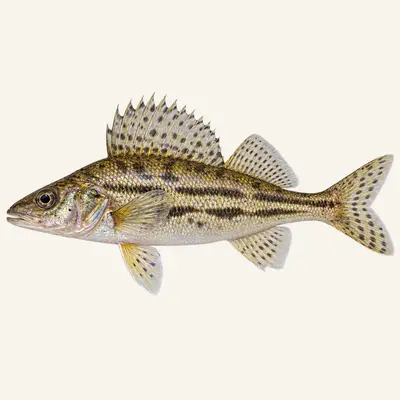
Schraetzer
Gymnocephalus schraetser
Predators· 30 cm
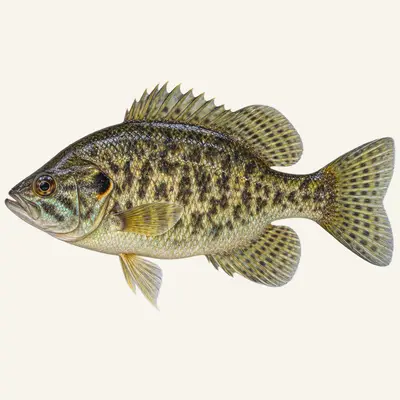
Shadow bass
Ambloplites ariommus
Predators· 31 cm
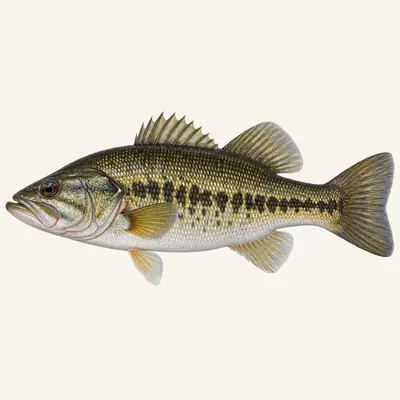
Shoal bass
Micropterus cataractae
Predators· 61 cm
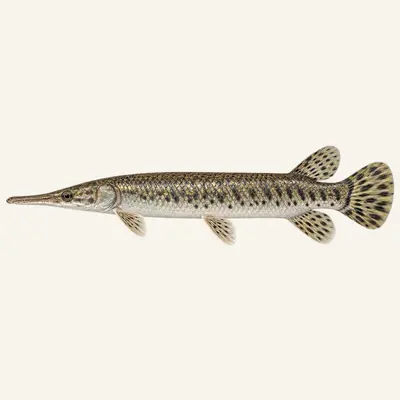
Shortnose gar
Lepisosteus platostomus
Predators· 88 cm
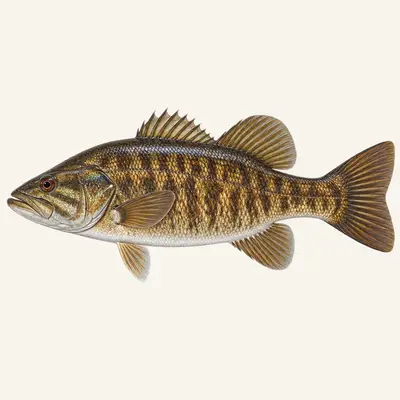
Smallmouth bass
Micropterus dolomieu
Predators· 69 cm
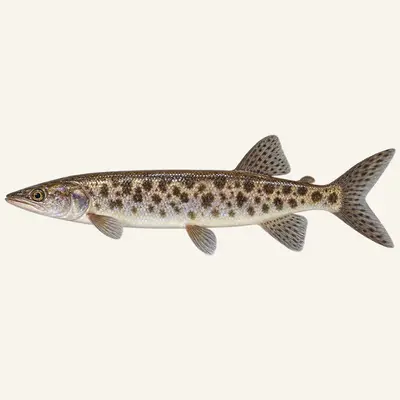
Southern African pike
Hepsetus cuvieri
Predators· 37 cm
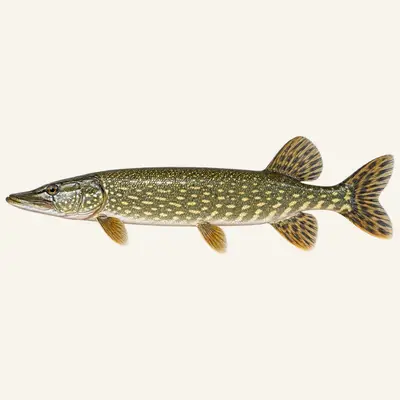
Southern pike
Esox cisalpinus
Predators· 110 cm
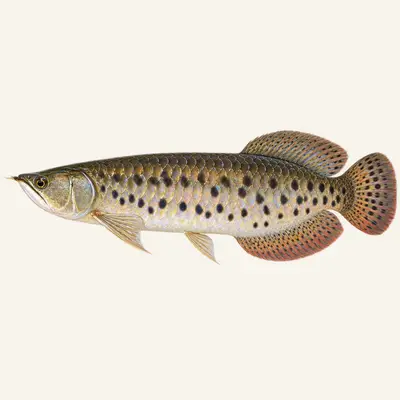
Southern saratoga
Scleropages leichardti
Predators· 100 cm
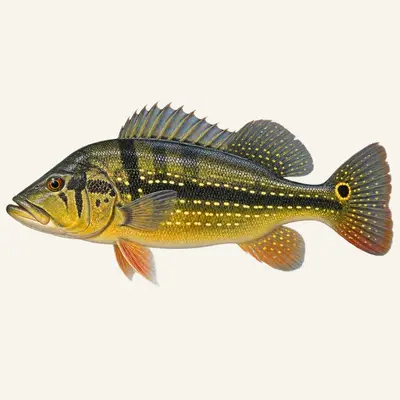
Speckled peacock bass
Cichla temensis
Predators· 99 cm
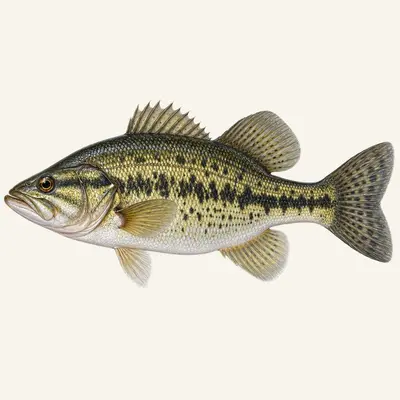
Spotted bass
Micropterus punctulatus
Predators· 64 cm
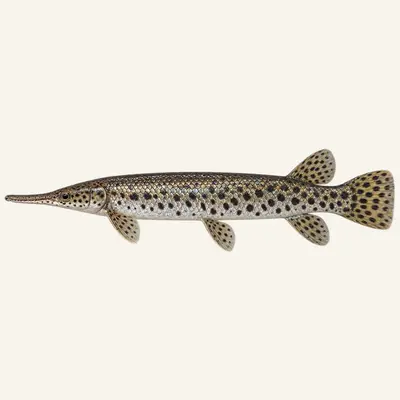
Spotted gar
Lepisosteus oculatus
Predators· 150 cm
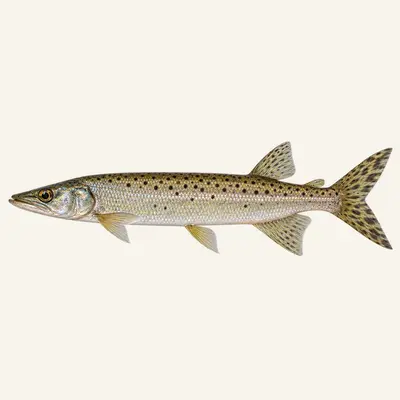
Spotted pike-characin
Boulengerella maculata
Predators· 31.9 cm
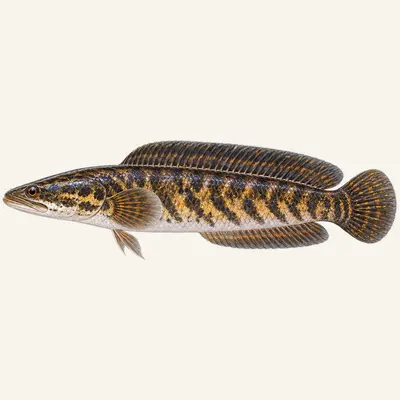
Striped snakehead
Channa striata
Predators· 100 cm
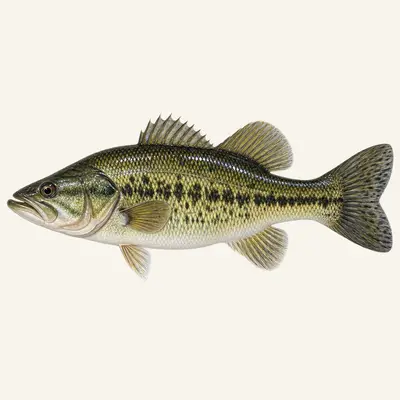
Suwannee bass
Micropterus notius
Predators· 40 cm
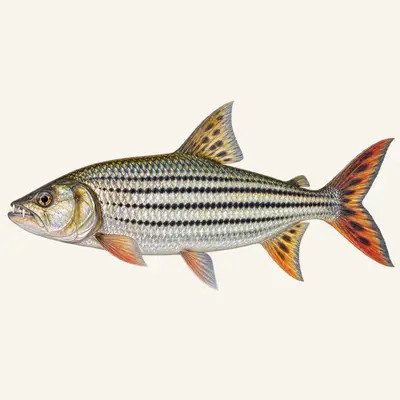
Tanzanian tigerfish
Hydrocynus tanzaniae
Predators· 24.7 cm
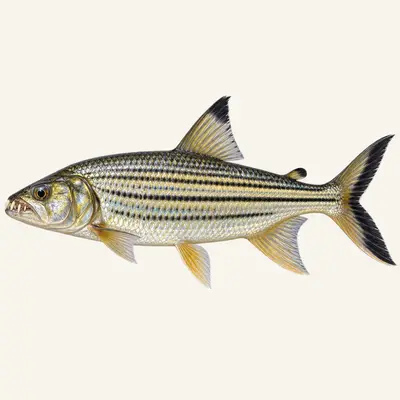
Tiger fish
Hydrocynus vittatus
Predators· 105 cm
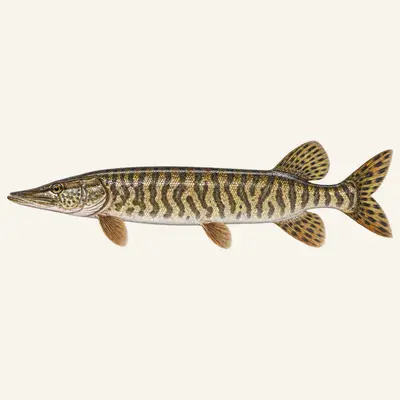
Tiger muskellunge
Esox lucius x masquinongy
Predators
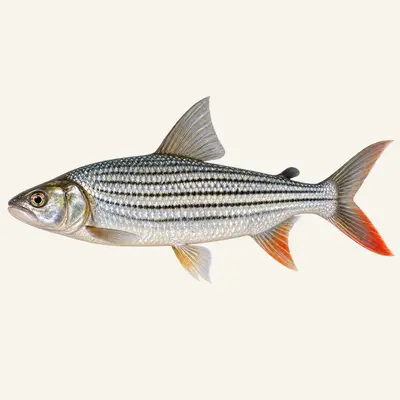
Tiger-fish
Hydrocynus brevis
Predators· 86 cm
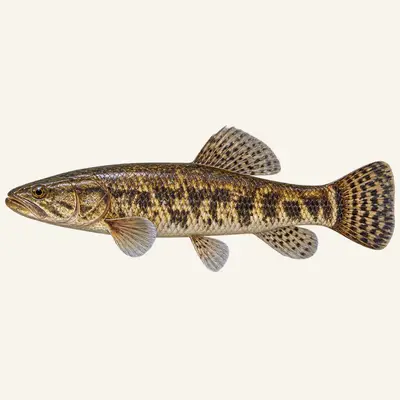
Trahira
Hoplias malabaricus
Predators· 65 cm
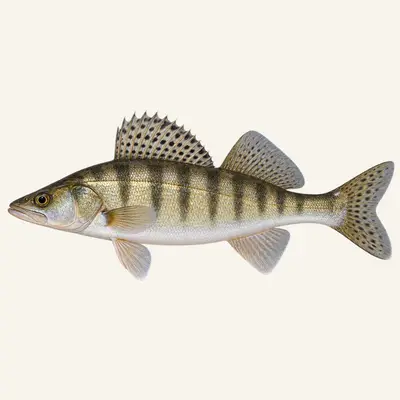
Volga pikeperch
Sander volgensis
Predators· 40 cm
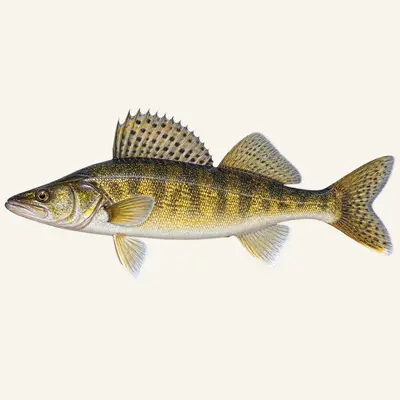
Walleye
Sander vitreus
Predators· 107 cm
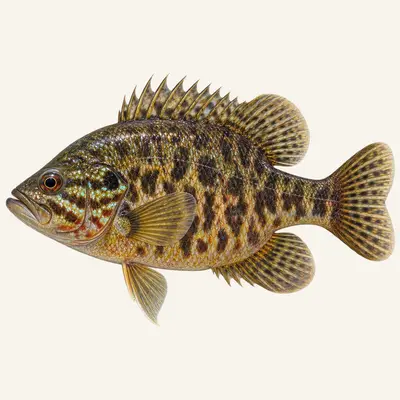
Warmouth
Lepomis gulosus
Predators· 31 cm
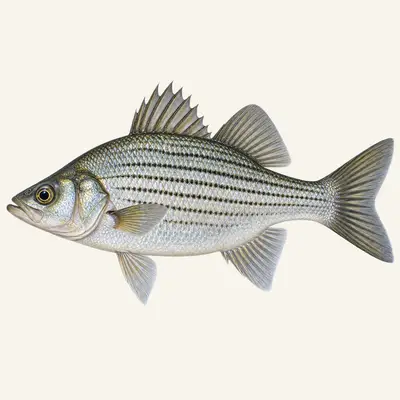
White bass
Morone chrysops
Predators· 45 cm
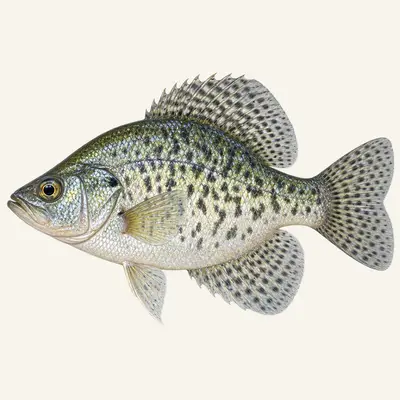
White crappie
Pomoxis annularis
Predators· 53 cm
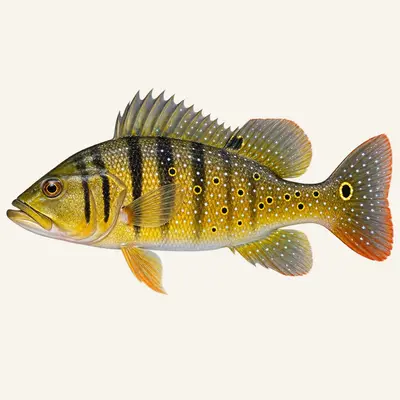
Xingu peacock bass
Cichla melaniae
Predators· 36 cm
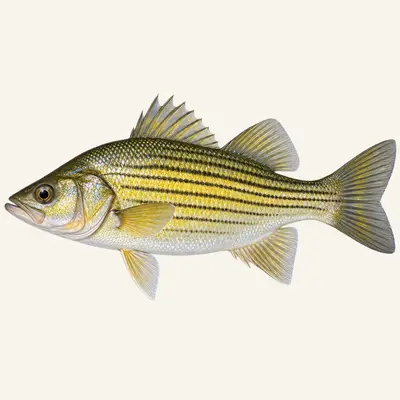
Yellow bass
Morone mississippiensis
Predators· 46 cm
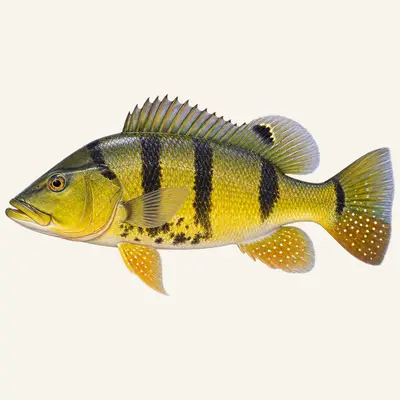
Yellow peacock bass
Cichla kelberi
Predators· 58.5 cm