Beach fish
Sand looks empty and is not. Read it at low water, fish it at high water: the gutters you find in the morning are the marks you fish that evening.
46 species documented
A beach is never flat. Currents cut gutters, bowls and channels that low tide reveals and high tide turns into a larder: food is trapped there, and fish move in with the flood. Walking the strand at low water to find those depressions is worth more than any advice about rigs.
Fishing is usually at range, but not as far out as most people assume. Many species work the first bar, a few tens of metres from dry sand, especially after dark and in a sea with some movement in it. Coloured, rolling water brings them close; a flat, clear sea keeps them out.
Wind and swell decide the rest. An offshore wind flattens the sea and makes for hard work; a sea that is working without being wild lifts food back into the water and opens the best window, usually around dawn and dusk.
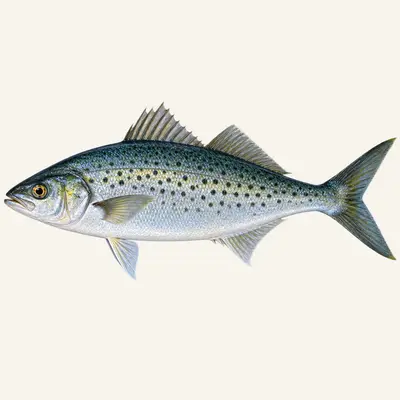
Australian salmon
Arripis trutta
Big pelagics· 89 cm
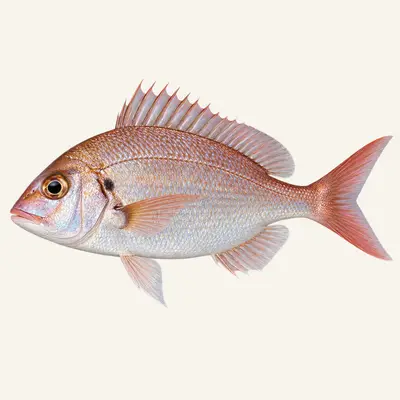
Axillary seabream
Pagellus acarne
Coastal· 36 cm
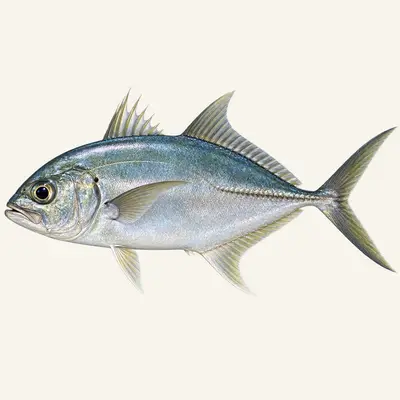
Bigeye trevally
Caranx sexfasciatus
Coastal· 120 cm
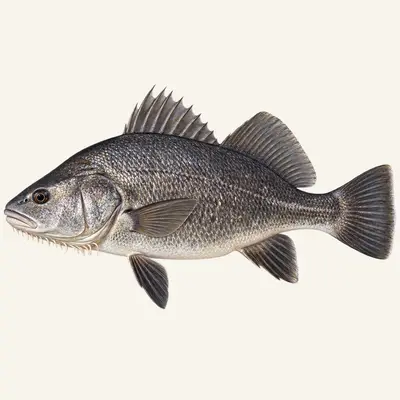
Black drum
Pogonias cromis
Coastal· 170 cm
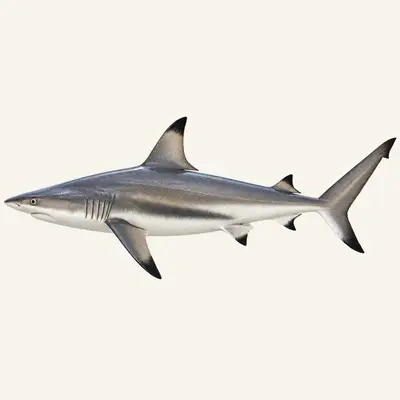
Blacktip shark
Carcharhinus limbatus
Sharks & rays· 286 cm
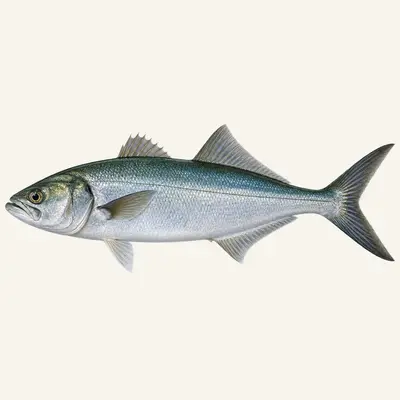
Bluefish
Pomatomus saltatrix
Coastal· 130 cm
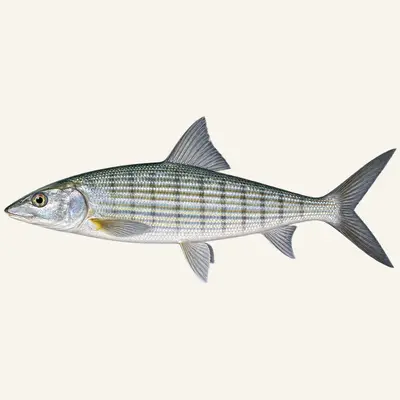
Bonefish
Albula vulpes
Migratory· 104 cm
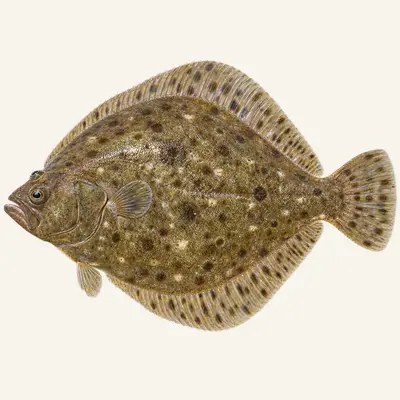
Brill
Scophthalmus rhombus
Flatfish· 75 cm
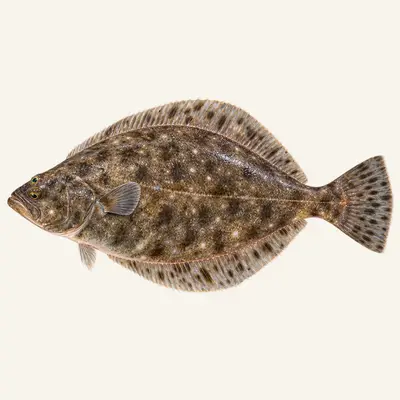
California Halibut
Paralichthys californicus
Flatfish· 152 cm
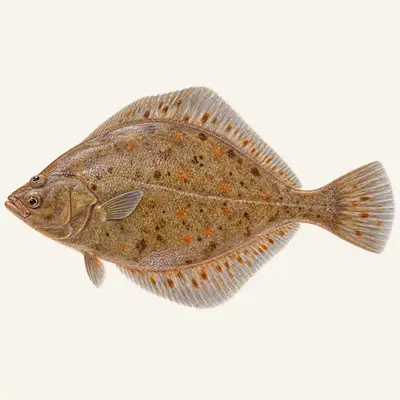
Common dab
Limanda limanda
Flatfish· 40 cm
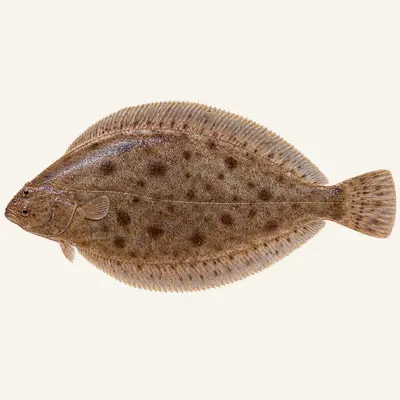
Common sole
Solea solea
Flatfish· 70 cm
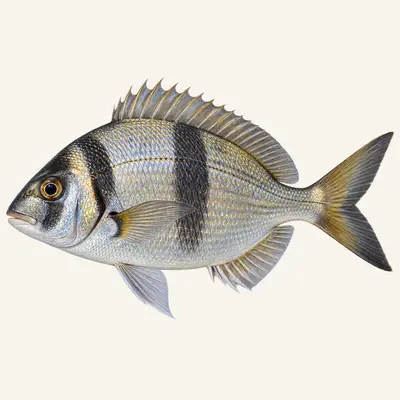
Common two-banded seabream
Diplodus vulgaris
Coastal· 45 cm
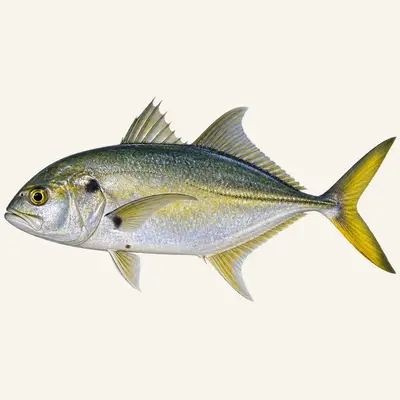
Crevalle jack
Caranx hippos
Coastal· 124 cm
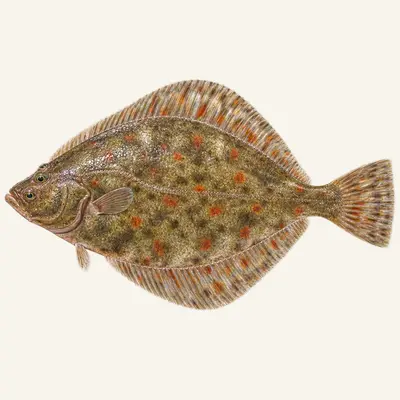
European flounder
Platichthys flesus
Flatfish· 60 cm
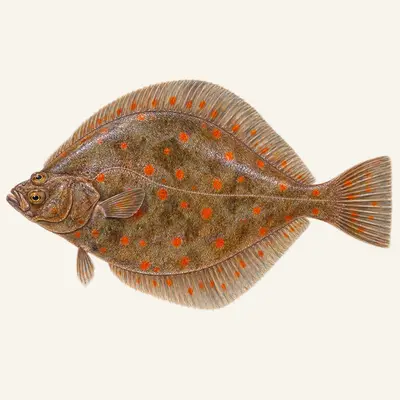
European plaice
Pleuronectes platessa
Flatfish· 100 cm
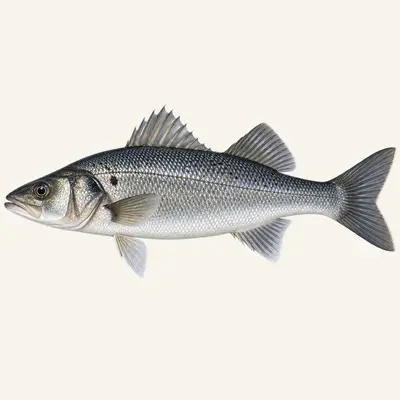
European seabass
Dicentrarchus labrax
Coastal· 103 cm
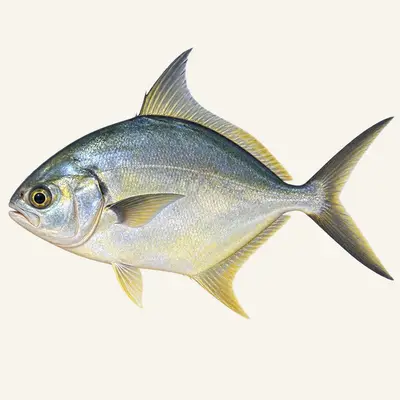
Florida pompano
Trachinotus carolinus
Coastal· 64 cm
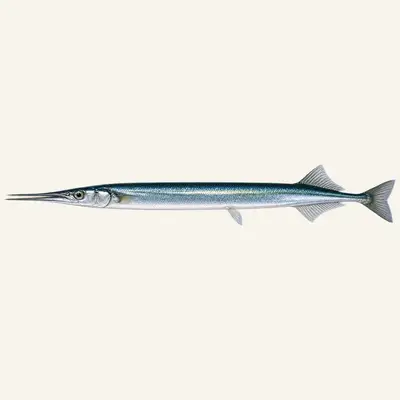
Garfish
Belone belone
Big pelagics· 94 cm
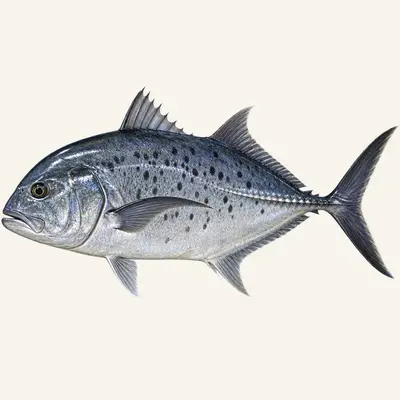
Giant trevally
Caranx ignobilis
Coastal· 170 cm
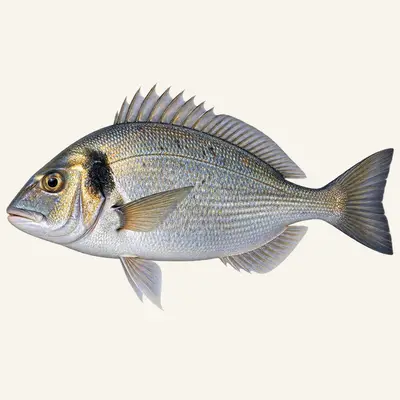
Gilthead seabream
Sparus aurata
Coastal· 70 cm
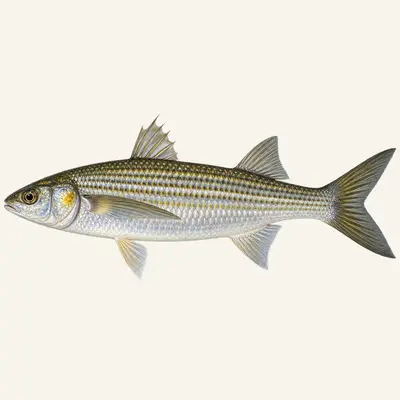
Golden grey mullet
Chelon auratus
Coastal· 61 cm
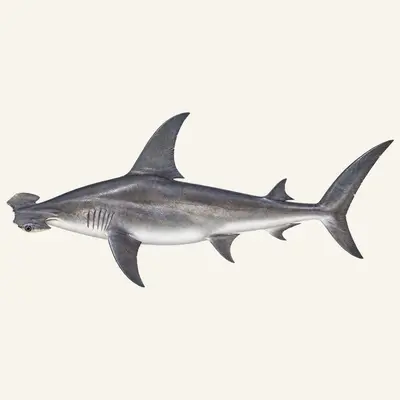
Great hammerhead
Sphyrna mokarran
Sharks & rays· 610 cm
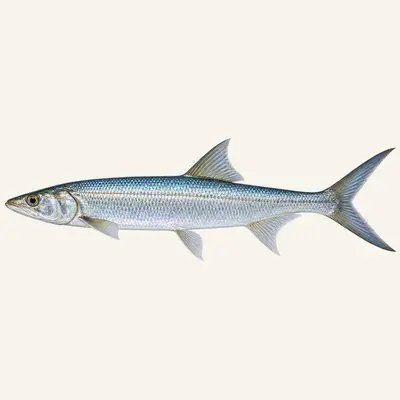
Ladyfish
Elops saurus
Migratory· 100 cm
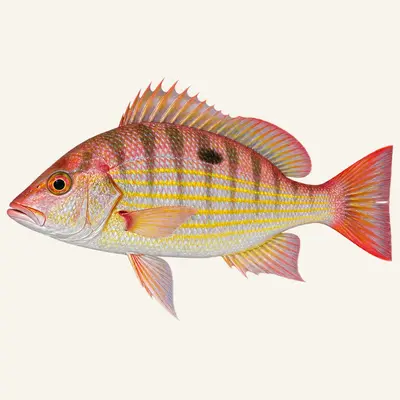
Lane snapper
Lutjanus synagris
Coastal· 60 cm
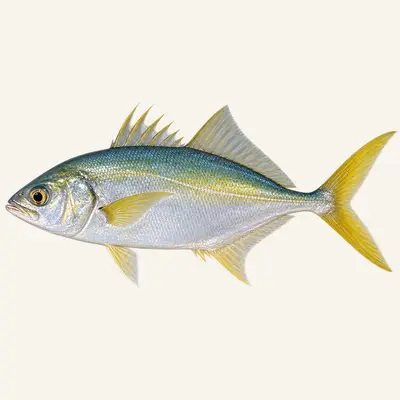
Leatherjacket
Oligoplites saurus
Coastal· 35 cm
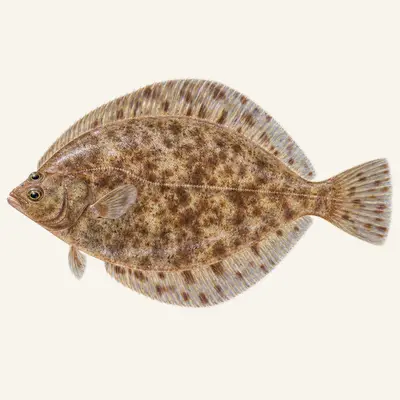
Lemon sole
Microstomus kitt
Flatfish· 65 cm
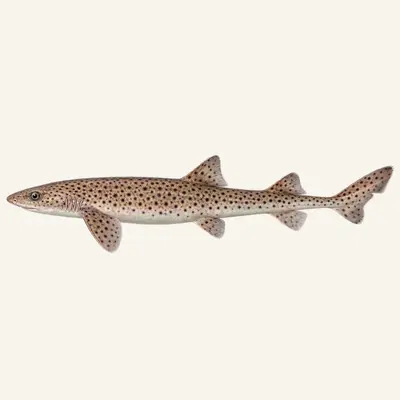
Lesser spotted dogfish
Scyliorhinus canicula
Sharks & rays· 100 cm
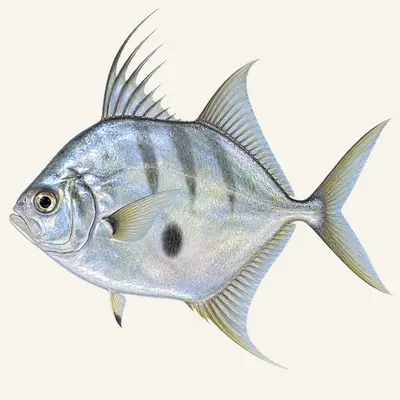
Lookdown
Selene vomer
Coastal· 48.3 cm
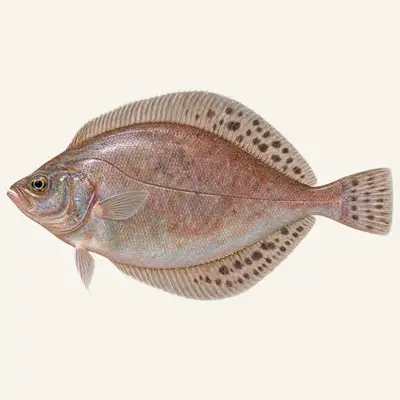
Megrim
Lepidorhombus whiffiagonis
Flatfish· 60 cm
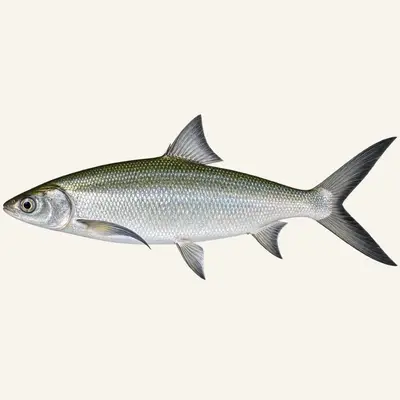
Milkfish
Chanos chanos
Coastal· 180 cm
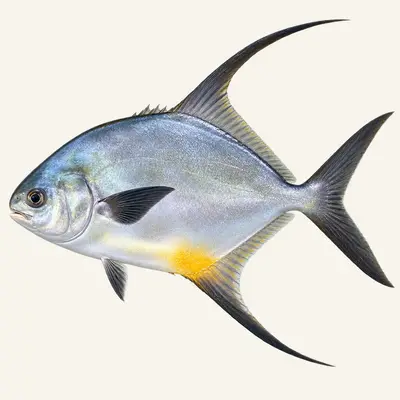
Permit
Trachinotus falcatus
Coastal· 122 cm
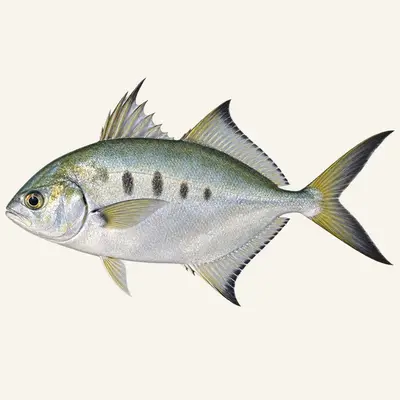
Pompano
Trachinotus ovatus
Coastal· 70 cm
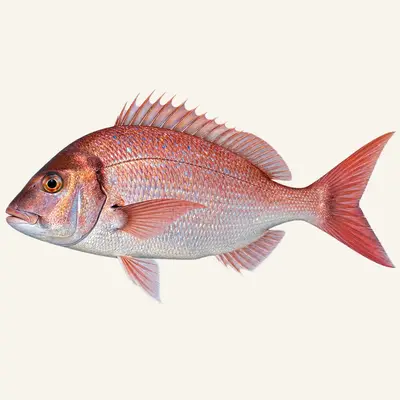
Red porgy
Pagrus pagrus
Coastal· 91 cm
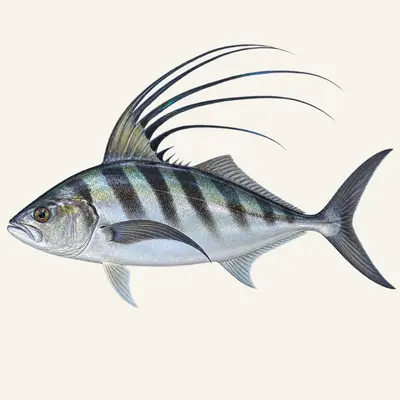
Roosterfish
Nematistius pectoralis
Coastal· 163 cm
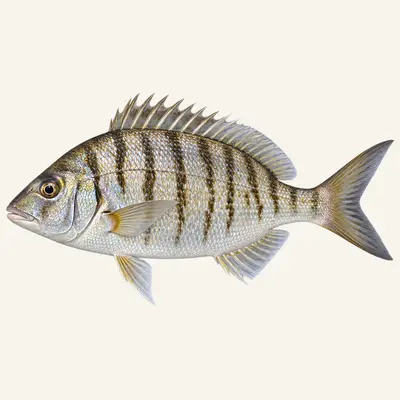
Sand steenbras
Lithognathus mormyrus
Coastal· 55 cm
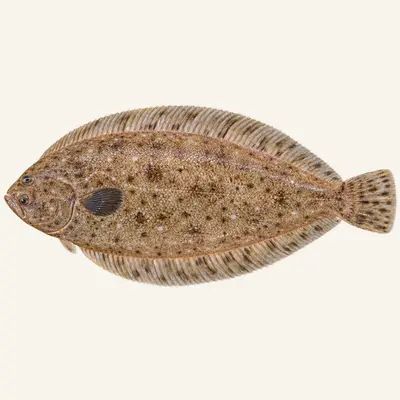
Senegalese sole
Solea senegalensis
Flatfish· 60 cm
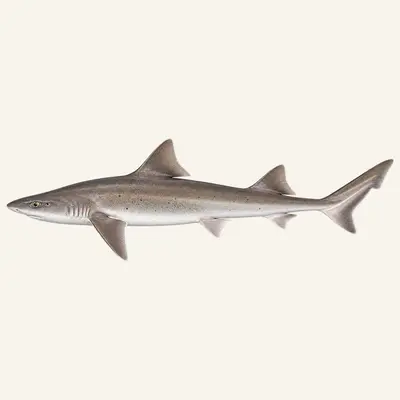
Smooth-hound
Mustelus mustelus
Sharks & rays· 200 cm
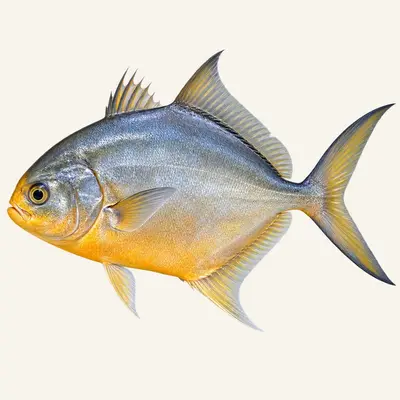
Snubnose pompano
Trachinotus blochii
Coastal· 110 cm
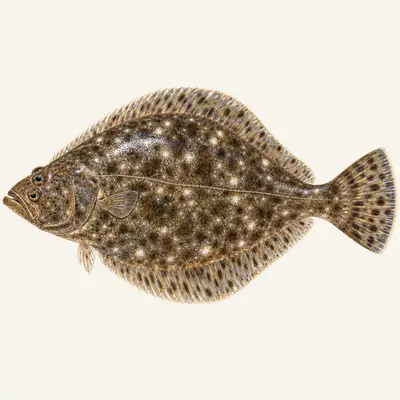
Southern flounder
Paralichthys lethostigma
Flatfish· 83 cm
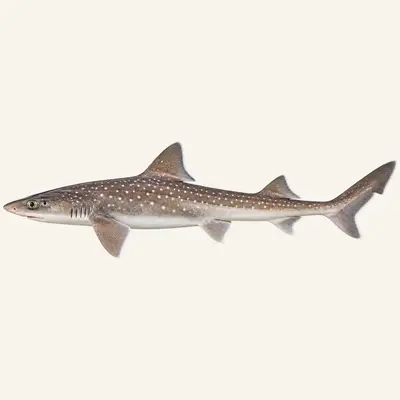
Starry smooth-hound
Mustelus asterias
Sharks & rays· 154 cm
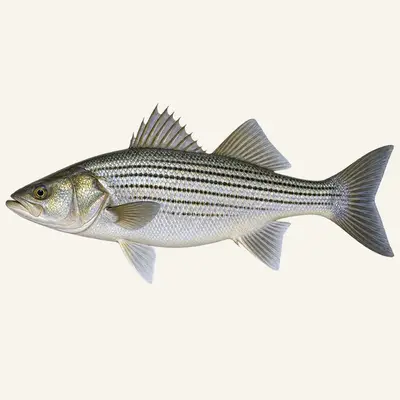
Striped bass
Morone saxatilis
Coastal· 200 cm
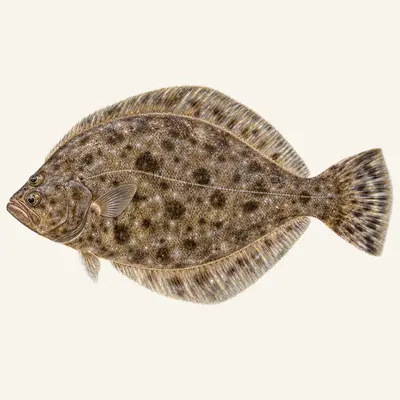
Summer flounder
Paralichthys dentatus
Flatfish· 94 cm
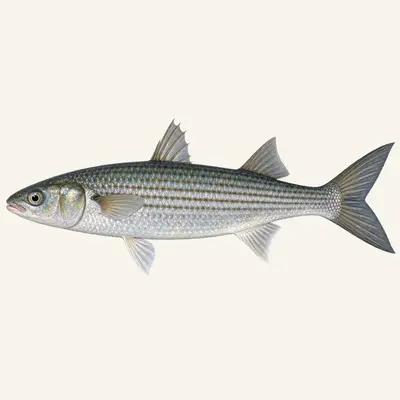
Thicklip grey mullet
Chelon labrosus
Coastal· 75 cm
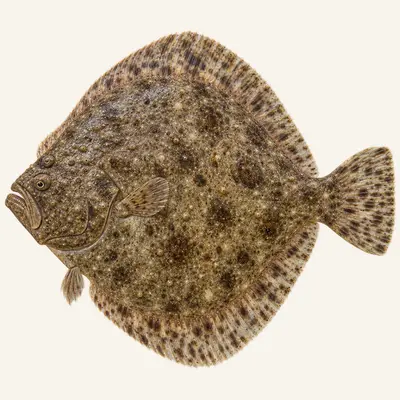
Turbot
Scophthalmus maximus
Flatfish· 100 cm
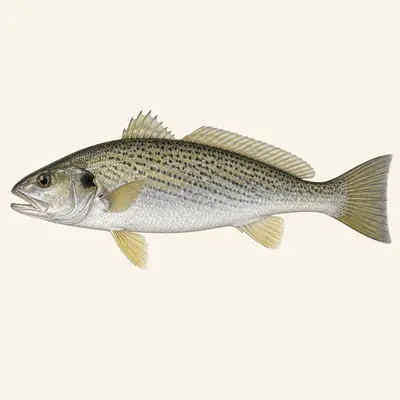
Weakfish
Cynoscion regalis
Coastal· 98 cm
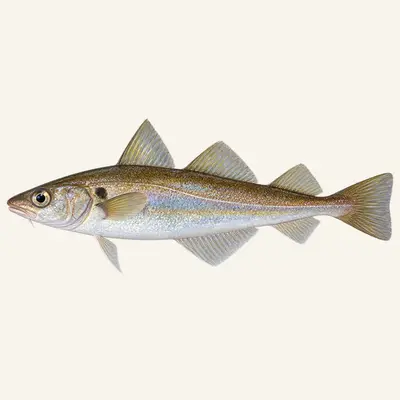
Whiting
Merlangius merlangus
Bottom fish· 91.5 cm